

Recruiting employees in Egypt requires a solid understanding of local labor laws, employment practices, and market dynamics. For companies looking to expand into Egypt or hire local talent, knowing the legal framework, employee rights, and best hiring practices is essential. This guide provides a comprehensive overview for employers aiming to recruit Egyptian workers effectively and compliantly.
Key Elements of Labor Laws in Egypt

Egyptian labor laws are designed to protect workers and ensure fair employment practices. Employers must follow these regulations to avoid legal issues and promote a positive work environment.
Employment Contracts
Employment contracts in Egypt can be written or verbal, but written contracts are strongly recommended. These contracts should clearly outline:
- Job title and description
- Working hours and schedule
- Salary and benefits
- Duration of employment (fixed-term or indefinite)
Having a detailed contract helps both the employer and employee understand their responsibilities and avoids potential disputes.
Minimum Wage Regulations
Egypt sets a minimum wage that all employers must comply with. Staying updated on wage adjustments ensures legal compliance and helps maintain fair compensation for employees.
Working Hours and Overtime
The standard workweek in Egypt is 48 hours, usually spread across six days. Any hours exceeding eight per day are considered overtime, which must be paid at a higher rate. Employers must also respect the legal limit on weekly overtime hours to remain compliant.
Leave Entitlements
Employees in Egypt are entitled to various types of leave:
- Annual leave
- Sick leave
- Maternity and paternity leave
- Public holidays
Ensuring employees receive their entitled leave helps maintain workforce satisfaction and aligns with labor regulations.
Termination Procedures
Termination in Egypt follows strict legal protocols. Employers must provide valid reasons for dismissal and adhere to notice periods and severance pay requirements. Understanding these procedures is vital for lawful and ethical employee termination.
Employee Benefits and Social Security
Employers are required to provide benefits such as health insurance and social security contributions. Complying with these requirements is essential for employee well-being and legal adherence.
Workplace Equality and Safety
Egyptian labor laws prohibit workplace discrimination and harassment based on gender, religion, nationality, or disability. Employers must foster a safe, inclusive environment and enforce health and safety regulations, including training, safety equipment, and emergency protocols.
Steps to Recruit Egyptian Workers Successfully
Hiring the right talent in Egypt requires a structured approach, from recruitment to onboarding. Understanding the local labor market is crucial for effective hiring.
1. Understanding the Egyptian Job Market
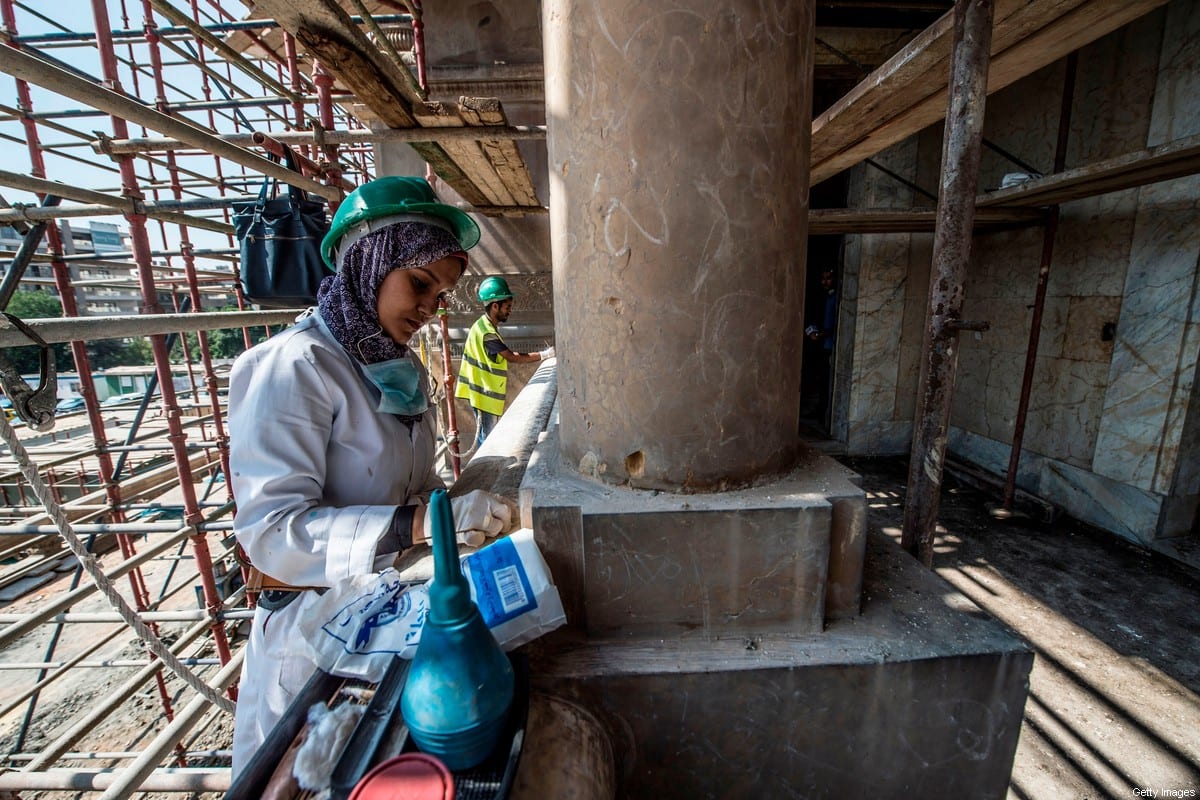
Egypt’s workforce is diverse, ranging from skilled professionals and university graduates to laborers in industries like IT, manufacturing, finance, and tourism. Major cities like Cairo and Alexandria are highly competitive job markets, making it essential for employers to know where and how to source talent.
2. Recruitment Channels
Employers can recruit Egyptian workers using:
- Online job portals and social media platforms (LinkedIn, Facebook)
- Referrals and networking events
- University career centers and job fairs
Using multiple channels increases the chances of finding qualified candidates.
3. Application and Screening
The process begins with receiving resumes (CVs) and cover letters tailored to the job. Screening involves reviewing qualifications, experience, and skills, sometimes supplemented with online tests or initial phone interviews.
4. Interviewing Process
Interviews may include one-on-one, panel, or group formats. Questions usually cover:
- Technical and behavioral skills
- Cultural fit
- Career goals
Employers may use in-person or virtual platforms, depending on logistics and candidate location.
5. Assessment and Evaluation
In addition to interviews, assessments like case studies or technical tests help measure problem-solving and domain knowledge. Some organizations use assessment centers for leadership or managerial roles.
6. Offer, Negotiation, and Onboarding
After selecting a candidate, employers present a job offer including salary, benefits, and start date. Negotiations often occur to ensure competitive compensation. Onboarding involves orientation, role-specific training, and mentorship to integrate new employees effectively.
Employment Contracts in Egypt
Different contract types cater to diverse employment needs:
- Fixed-Term Contracts: For temporary or project-based roles.
- Indefinite Contracts: Continuous employment without a set end date.
- Part-Time Contracts: Reduced working hours with proportional benefits.
- Probationary Contracts: Trial periods for new employees.
- Outsourcing Contracts: For engaging third-party contractors or service providers.
Understanding which contract type suits your hiring strategy is key to compliance and workforce satisfaction.
Essential Hiring Documents
Employers and employees must provide several documents during the hiring process:
- Employment contract or offer letter
- Identification (ID card or passport)
- Work permits for non-Egyptians
- Tax and social insurance forms
- Bank account information for payroll
- Health, safety, and training certificates
Having all documents prepared ensures a smooth recruitment process and legal compliance.
Employee Benefits in Egypt
Offering benefits helps attract and retain talent. Common benefits include:
- Health insurance for employees and dependents
- Social insurance contributions (pension, unemployment, healthcare)
- Paid time off and public holidays
- Transportation allowances
- Performance bonuses and incentives
- Education and training support
Providing comprehensive benefits strengthens employee loyalty and satisfaction.
Payroll and Tax Compliance
Understanding payroll and taxes in Egypt is crucial for compliance:
- Income Tax: Progressive rates (0%–22.5%) deducted via PAYE.
- Social Security Contributions: 14% by employees, 26% by employers.
- VAT: Standard 14% on goods and services, with exemptions available.
Regular payroll reporting and accurate record-keeping are mandatory to avoid penalties.
Holidays and Leave Policies
Egyptian labor law provides for:
- National holidays (e.g., Revolution Day, Armed Forces Day)
- Religious holidays (Eid al-Fitr, Eid al-Adha, Coptic Christmas)
- Annual, sick, maternity/paternity, and special leave
Employers must comply with leave entitlements and accommodate public holidays accordingly.
Termination of Employment
Termination procedures must follow labor laws:
- Grounds: mutual agreement, contract expiry, misconduct, redundancy
- Notice period: typically 1–3 months
- Severance pay and end-of-service benefits
- Legal documentation and exit formalities
- Dispute resolution through negotiation or labor courts
Correct adherence to these procedures avoids legal issues and ensures fairness.
Why Hire Talent in Egypt?
Egypt offers unique advantages for employers looking to recruit Egyptian workers:
- Large pool of skilled and educated professionals
- Lower labor costs compared to Western countries
- High English proficiency for seamless communication
- Strategic geographic location connecting Europe, Africa, and the Middle East
- Government incentives for foreign businesses
- Growing tech ecosystem and startup culture
- Cultural compatibility with international business practices
These factors make Egypt an attractive destination for global talent acquisition.
Costs of Hiring Employees in Egypt
Key cost considerations include:

- Salaries and benefits
- Recruitment and training expenses
- Legal and administrative costs
- Workplace facilities and equipment
- Taxes, social security contributions, and statutory deductions
- Turnover and onboarding productivity losses
Proper budgeting ensures sustainable and cost-effective hiring.
Leveraging Employer of Record (EOR) Services
Begory Advance Hire provides Employer of Record services in Egypt, helping companies hire staff without establishing a local entity. Benefits include:
- Full compliance with Egyptian labor laws
- Payroll and benefits management
- Work permit and visa processing
- HR administration and employee support
Partnering with an EOR allows businesses to scale efficiently and recruit Egyptian workers with minimal risk.
Conclusion
Recruiting in Egypt requires a strong understanding of labor laws, employment contracts, hiring procedures, and employee benefits. Companies that follow best practices, comply with regulations, and provide competitive compensation can successfully recruit Egyptian workers and build a productive, engaged workforce. Leveraging services like Begory Advance Hire can further simplify the process, enabling smooth expansion into Egypt’s dynamic labor market.
FAQs About Recruiting Egyptian Workers
- Why should I recruit Egyptian workers for my business?
Egypt offers a large pool of skilled and educated professionals, competitive labor costs, strong English proficiency, and cultural compatibility, making it an ideal destination for global talent acquisition. - What are the legal requirements for hiring employees in Egypt?
Employers must comply with Egyptian labor laws, including employment contracts, minimum wage, working hours, overtime, social security contributions, and workplace safety regulations. - Can I hire Egyptian workers remotely without a local entity?
Yes, you can use an Employer of Record (EOR) service like Begory Advance Hire, which manages payroll, benefits, and legal compliance, allowing you to hire staff without establishing a local company. - What types of employment contracts exist in Egypt?
Egyptian employment contracts include fixed-term, indefinite, part-time, probationary, and outsourcing contracts, each serving different employment needs.