
Despite its critical role in food security and exports for crops like cotton, fruits, and vegetables, Agricultural labor from Egypt is a vital but difficult sector that employs a sizable portion of the workforce (about 20–30%), is largely dependent on women and children, and is marked by low wages, harsh conditions, informal work, and a lack of contracts.
A significant portion of this labor force is made up of women, who frequently perform unpaid labor, while children work because they are poor, putting their health in danger and missing school, and circumstances are only gradually becoming better thanks to government initiatives.
Agricultural labor from Egypt

Egypt’s substantial contribution to the world’s food supply, which includes important exports like citrus, potatoes, and onions, is made possible by a sizable, skilled labor force that takes advantage of the fertile Nile Valley.
Despite Egypt’s problems with water scarcity and population growth, skilled farm labor is essential for both domestic food security and international markets.
Agricultural labor from Egypt is a significant employer, sustaining lives, increasing GDP, and serving as a crucial link in global food chains. To solve issues like efficiency and climate change, the sector may need both local expertise and outside cooperation.
Agricultural labor from Egypt: Principal Contributions
- Important Exporter: Egypt is a major exporter of fresh produce, especially citrus fruits (like oranges), potatoes, onions, grapes, and strawberries, which supply essential food products all over the world.
- Historical Basis: The heritage of ancient Egyptian farmers demonstrates a strong, long-lasting bond with the soil, establishing a history of agricultural expertise and diligence that supports contemporary endeavors.
- Economic Backbone: Egypt’s agricultural industry continues to be a major employer, particularly in Upper Egypt, and a major contributor to the country’s GDP, generating a sizable pool of agricultural laborers.
- Nile Valley Productivity: Egypt can feed its sizable population and create excess for export by making use of the rich areas around the Nile River.
Why It’s Essential to the World:
- Food Security: Agricultural labor from Egypt contributes to a steady supply of fruits, vegetables, and other necessities for global markets, especially for customers in Europe and the Middle East.
- Gateway to Africa: Egypt’s advantageous location makes it a possible center for agricultural growth, with its workforce supporting larger regional food systems.
Obstacles and Future Requirements:
- Climate Change and Water Scarcity: Egypt’s agriculture is under strain from both climate change and water scarcity, necessitating creative and effective labor techniques.
- Demand for Skilled Labor: Egypt, with its vast population, may help satisfy the requirement for “green-skilled” people in climate-smart agriculture through training and migration alliances (such as Global Skill alliances).
Important Features Of Agricultural Labor from Egypt:
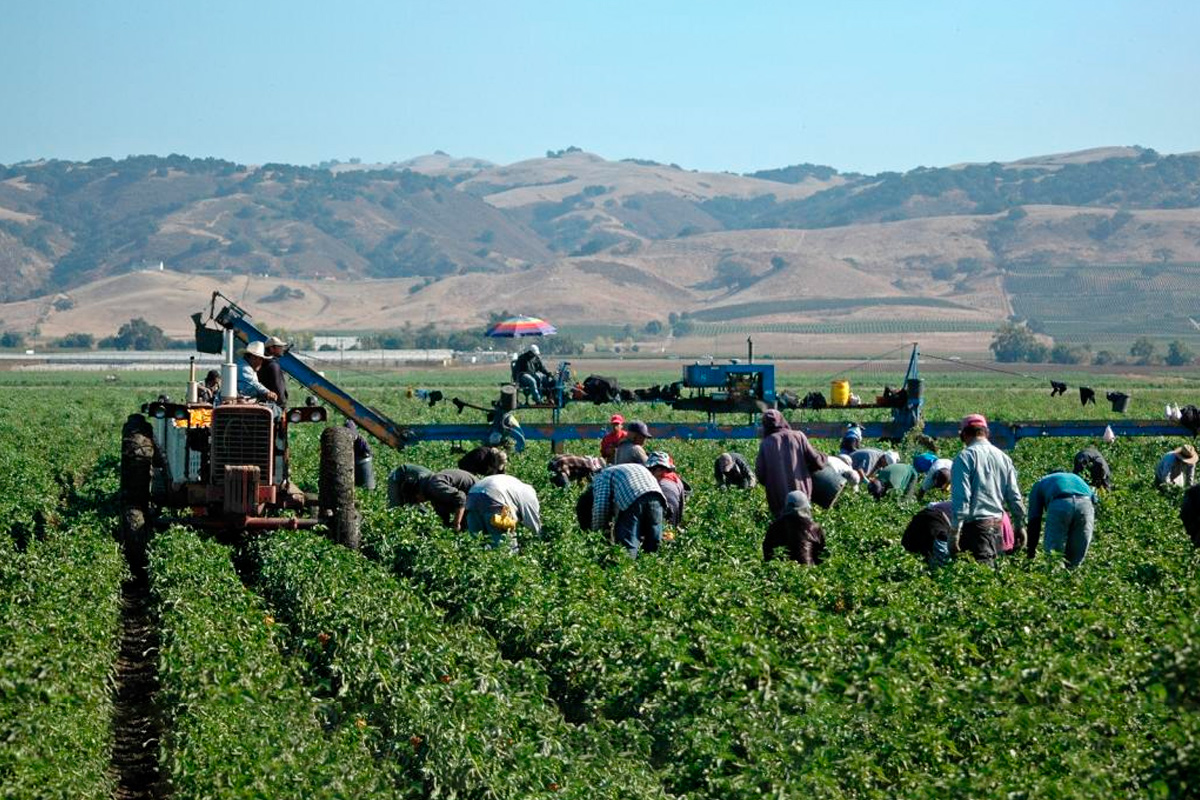
- Major Employer: A significant portion of Egypt’s workforce, particularly in Upper Egypt, is employed in agriculture, which sustains a sizable portion of the country’s population.
- Women’s Role: Despite obstacles such as limited access to services, rural women play a crucial role in agricultural labor. They frequently perform unpaid, self-employed, or unpaid family work.
- Child Labor: Due to poverty, children labor long hours in hazardous situations for pitiful wages, which can cause health problems and interfere with their schooling. Examples of this include the harvesting of onions and jasmine.
- Harsh Conditions: Without formal contracts, workers—including women and children—work long hours in intense heat for little pay—sometimes less than $2 per day—which causes physical strain and disease.
- Economic Importance: Although the industry boosts GDP and exports goods like cotton, fruits, and vegetables, Egypt still imports a sizable amount of food.
Obstacles
Low Wages: Families struggle to make ends meet due to the incredibly low wages.
Dominance of the Informal Sector: A large portion of the job is done informally, without social protection or appropriate compensation.
Risks to Health and Safety: Exposure to equipment, pesticides, and extreme heat can lead to health issues.
Gender inequality: Women encounter more obstacles and are paid far less than men for doing comparable jobs.
Sector and Governmental Efforts:
Egypt is making investments in agriculture to reduce poverty and ensure food security.
Although there are initiatives to help farmers and increase agricultural output, obstacles still exist.
Agricultural labor from Egypt, which is mostly dependent on disadvantaged communities working under extreme financial and physical hardship for basic survival, is essentially the backbone of the country’s economy.
Egyptian agricultural workers & the world
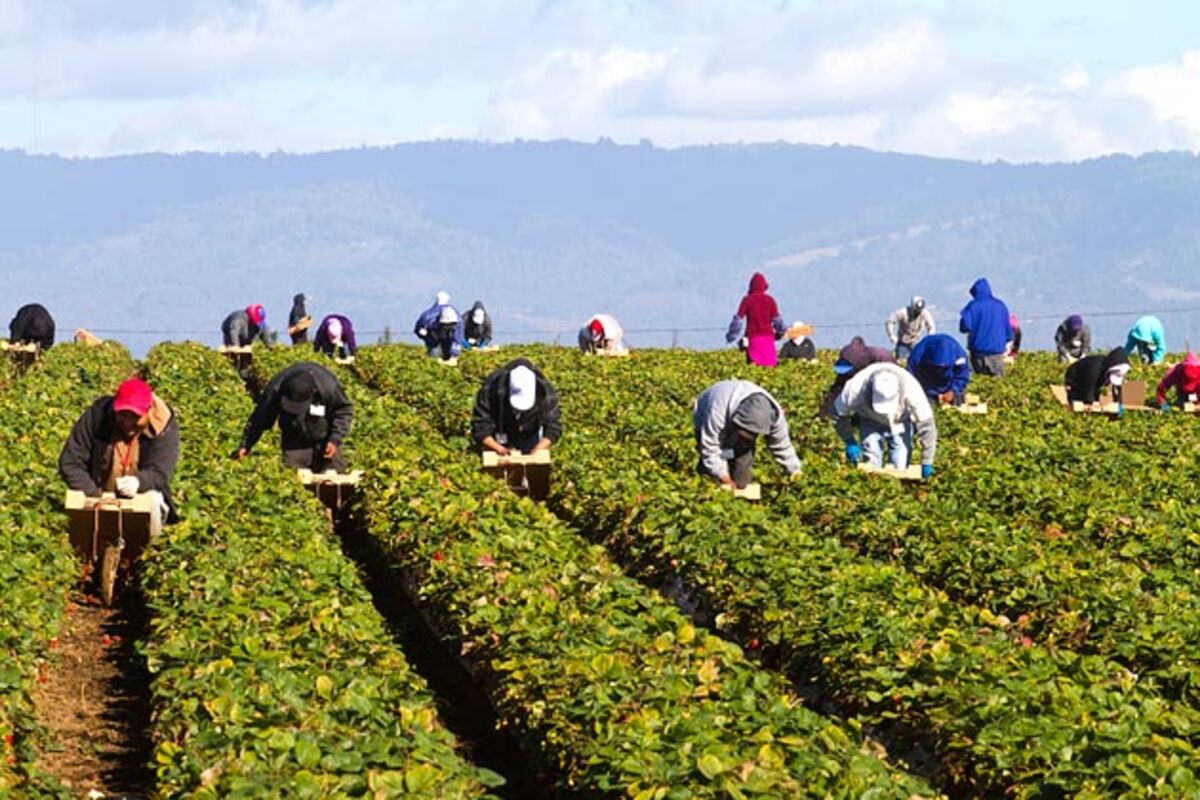
Through formal, bilateral agreements with foreign countries, Egypt is aggressively seeking opportunities to export trained agricultural labor from Egypt. In order to ensure foreign exchange and meet labor demands in other nations, particularly in Europe and the Gulf area, the government considers this to be a top priority.
Present Projects and Goals
- Greece: To solve labor shortages in its agricultural industry, a major formal deal has been reached to deploy some 5,000 Egyptian seasonal farm laborers to Greece. There have also been discussions of extending this to other industries, such as tourism and construction.
- Germany and the EU: Egypt is negotiating agreements for skilled labor migration with Germany and the EU. In order to educate qualified workers for the European labor markets, these discussions center on technical and vocational education and training, including specific fields like “climate-smart” agriculture.
- UAE: In order to address particular labor demands in the UAE, partnerships like the one centered on hydroponic agriculture seek to upskill Egyptian labor for sophisticated farming techniques.
Locating Employment Opportunities
The official government channel is the main path for individuals looking for these particular foreign agricultural employment. The Egyptian Ministry of Manpower is active in determining global requirements and has started programs like the “Mehani” (Professional) project to prepare individuals for both domestic and international markets.
- Official Job Portals: Keep an eye out for official announcements about foreign work possibilities and particular migration programs on the Egyptian Ministry of Manpower website.
- Private Organizations: Watch out for unauthorized channels. Government-to-government agreements are intended to mitigate the hazards associated with irregular migration by offering a regulated and secure route.
- International Non-Governmental Organizations: In addition to sometimes posting job openings, organizations such as the Food and Agriculture Organization (FAO) may conduct initiatives to improve agricultural skills in collaboration with the Egyptian government.
Important Things for Agricultural Laborers from Egypt to Know
- Skills and Training: To satisfy the contemporary needs of global agricultural markets, there is an increasing emphasis on offering specialized skills and technical education, particularly in fields like climate-resilient agriculture.
- Formal Contracts: To guarantee worker rights, equitable pay, and access to social security benefits—all of which have historically been problems for informal agricultural labor—official agreements stress the significance of formal, written contracts.