
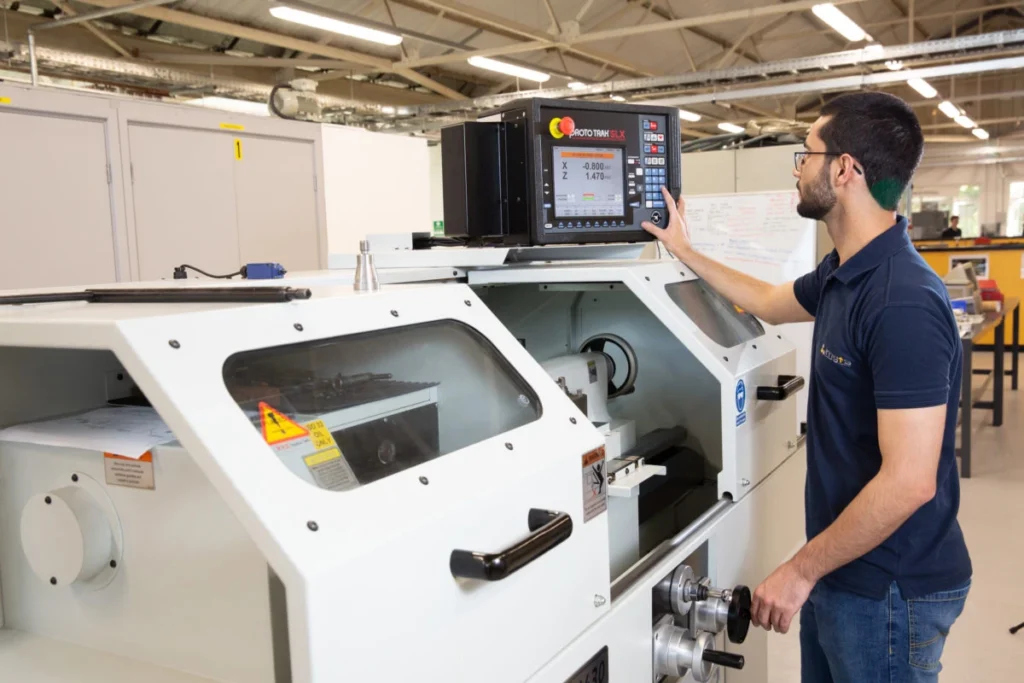
Hire egyptian machine operators is an important thing because they are highly qualified manufacturing workers who are in charge of running, maintaining, and troubleshooting industrial machinery, especially in the CNC, plastic extrusion, and high-speed production industries.
They make between 8,149 and more than 13,153 EGP a month working in places like Cairo and Giza, where they frequently need technical certificates.
Hire Egyptian Machine Operators

Hire Egyptian machine operators by smart manufacturers because of their outstanding endurance under pressure, high degree of adaptation to cutting-edge technologies, and affordable, trained labor. With large investments in electronics, Industry 4.0 projects (like EME), and vocational training, they have a youthful, competent workforce that can operate, maintain, and repair smart technology.
Important information regarding machine operator positions in Egypt:
Hire Egyptian Machine Operators is done because operators are responsible for overseeing manufacturing lines, making small repairs, resolving technological problems, and upholding safety regulations.
Requirements: Usually demand for a high school degree or its equivalent, manufacturing experience, and the capacity to understand technical instructions.
Specializations: Jobs in sectors including food, plastics, and construction include CNC machinists, PVC shrink-film machine operators, and general production operators.
Employment Patterns: Cairo, Giza, and Sharqia are actively hiring, frequently for full-time, on-site roles.
Training: Heavy machine operators can receive training.
Historical Importance
In Egypt, Hire egyptian machine operators and competent operators have been valued since ancient times. The two-man lathe was created by the ancient Egyptians in 1300 BCE, making them innovators in machine tool technology. They were expert artisans and blacksmiths who produced necessities using primitive tools and machinery, such as:
- Monuments and architecture: The construction of the pyramids and temples required the use of levers, ramps, and other basic machinery that were frequently run by trained personnel.
- Tools and weapons: High-quality copper and bronze tools for building and agriculture were made by metalworkers, who needed to be skilled in metallurgy and machine operation.
- Art and luxury goods: They demonstrated a high level of accuracy and competence in their operations by creating elaborate jewelry, ceramics, and other items.
Contemporary Significance

Machine operators, especially those with training in Computer Numerical Control (CNC) technology, are essential to Egypt’s manufacturing industry and economic development programs like the “Egypt Makes Electronics” (EME) project. Their function is crucial for:
- Increasing Industrial Output: By using sophisticated machinery safely and effectively, skilled operators may greatly increase production volume and machine utilization rates. Manufacturers are able to quadruple output thanks to this technology without having to expand staff or floor space proportionately.
- Precision and Quality Control: By ensuring the precision and repeatability needed for contemporary manufacturing processes, operators minimize material waste and help Egyptian businesses reach the quality requirements of global consumers, such as in the supply chains for electronics and automobiles.
- Improving Workplace Safety: By using automated technology, workers are less likely to come into close contact with hazardous procedures, which makes the workplace safer and reduces the likelihood of accidents.
- Technological Advancement: A future-ready industrial base depends on modern operators, who are proficient specialists who can adjust to new technologies like robotic machine tending and G-Code programming.
- Economic Development: Attracting foreign investment and establishing Egypt as a regional center for cutting-edge design and manufacturing depend heavily on the availability of a competent technical workforce.
In the end, Egyptian machine operators play a crucial role in bridging the gap between the country’s aspirations for a technologically sophisticated, competitive industrial future and its rich tradition of handicraft.
Important Elements of Hire Egyptian Machine Operators:
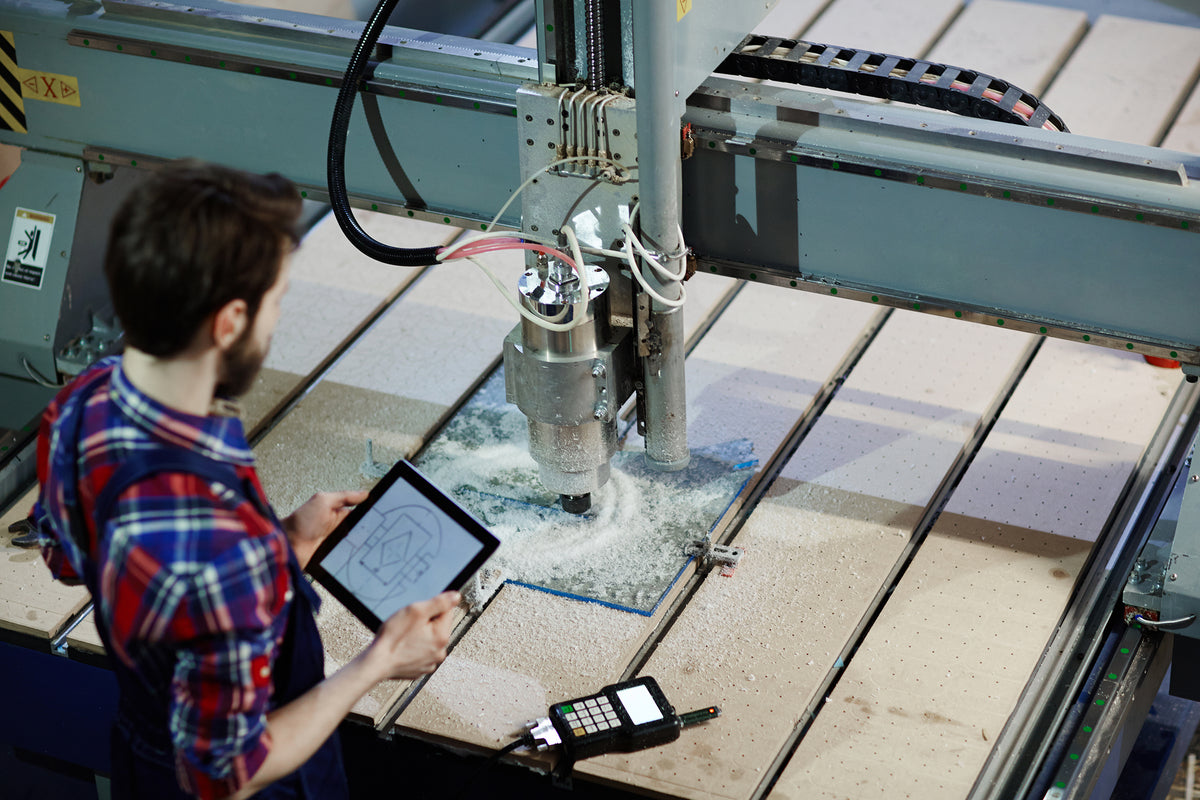
Candidates usually need to have shown expertise, be proficient in troubleshooting, be able to understand technical instructions, and be knowledgeable about instruments like calipers and micrometers.
- Industries & Locations: Frequently found in manufacturing centers, such as 6th of October City and 10th of Ramadan City, in industries including packaging, textiles, and plastics.
- Role responsibilities include making sure equipment runs smoothly and effectively, carrying out little maintenance tasks, and guaranteeing the caliber of output.
- Safety and Technology: By minimizing direct contact with hazardous machinery and increasing productivity in challenging conditions, the increased use of CNC technology enhances safety.
- Hiring Trends: There are frequent openings for positions like production operators, CNC lathe operators, and technicians (such as PVC shrink-film), some of which provide relocation assistance.
Common Competencies & Requirements:
Technical abilities include machine setup, maintenance, and PLC troubleshooting.
Education: A technical or high school diploma in mechanical engineering or a similar discipline.
Soft skills include strong communication, the capacity to work in shifts, and attention to detail.
Important Justifications for Hire Egyptian Machine Operators:
- Adaptability and Technical Skill: Egyptian laborers are renowned for their ability to swiftly pick up new skills to satisfy shifting market needs and incorporate cutting-edge digital technology into their regular tasks.
- Cost-effective and Talented Pool: Egypt provides competitive labor prices for skilled, educated workers, particularly in specialized industries like electronics and, increasingly, AI-driven manufacturing.
- Resilience and Productivity: In high-stress, demanding, and fast-paced production settings, workers exhibit a high level of endurance and the capacity to sustain quality.
- Government Support for Industry 4.0: The Egyptian government is actively encouraging a move toward automation and smart, high-tech production through programs like the Smart Industry Readiness Index (SIRI) and EME (Egypt Makes Electronics).
- Training and Development: Workers are trained in contemporary, complicated systems like PLCs, hydraulics, and CNC machines through programs like Siemens’ SITRAIN and others.
- Strategic Location and Infrastructure: Businesses can easily manage and logistically support their production thanks to improved road networks, industrial zones, and a time zone that is ideal for European and regional operations.
Frequently Asked Questions
Which Egyptian industrial staffing platform is the best?
One of Egypt’s top platforms for hiring manufacturing workers is Begory Advance Hire. With location-based filters and video evaluations, it employs AI to assist HR departments in hiring more quickly and screening blue-collar applicants.
Do hiring tools with AI capabilities exist in Egypt?
Indeed. For factory jobs, Begory Advance Hire offers automated shortlisting, candidate assessment, and AI-based video interviews. These features decrease operational delays and enhance time-to-hire.
How can I use staffing platforms to employ Egyptian manufacturing workers?
To find and hire employees, you can utilize sites like Begory Advance Hire. These systems provide pre-screened candidate pools, compliance assistance, and document management.
Is Begory Advance Hire suitable for employment in the industrial sector?
Indeed. Begory Advance Hire assists Egyptian factories in hiring shift leaders, loaders, and line operators. It supports positions covered by contract conditions and labor legislation in Egypt.
Do these sites facilitate contract employment in Egypt?
Contract hiring is supported by the majority of the mentioned platforms. They also help with time monitoring for shift-based jobs, health and safety, and onboarding.